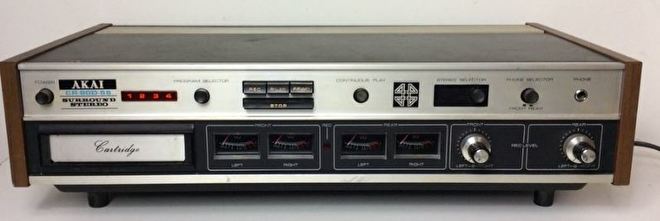
Quadraphonic 8‑Tracks – History, Technology and Significance
Quadraphonic sound was the first major attempt in the 1970s to bring surround audio into the living room. Where stereo uses two channels (left and right), quadraphonic systems use four fully independent channels: front‑left, front‑right, rear‑left and rear‑right. The goal was to create a spacious, immersive listening experience that felt closer to a live performance.
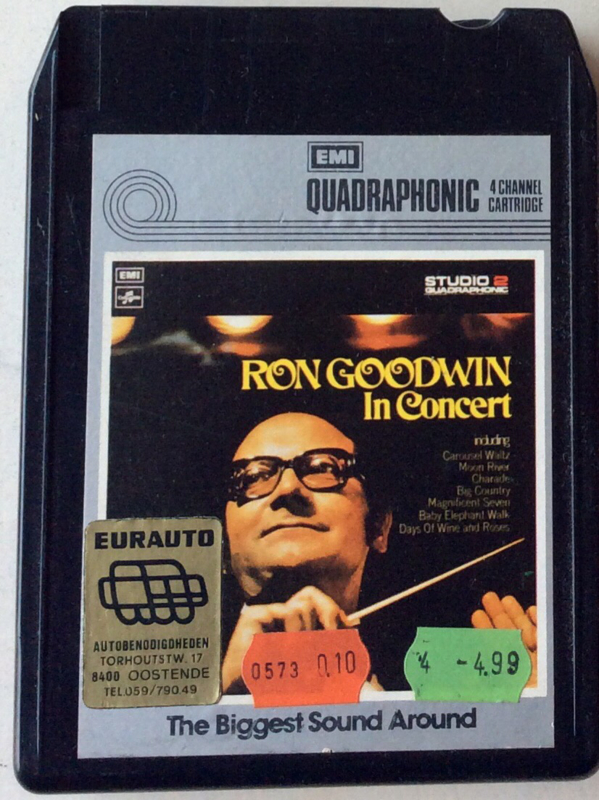
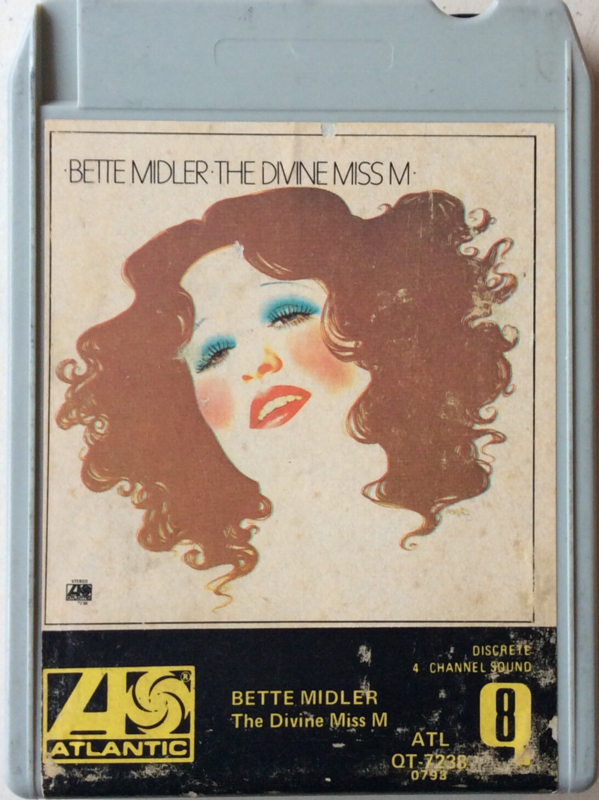
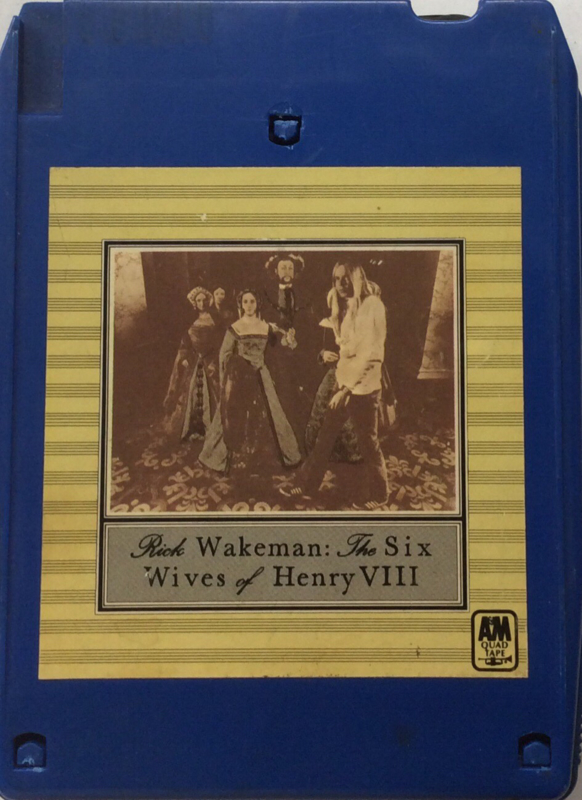
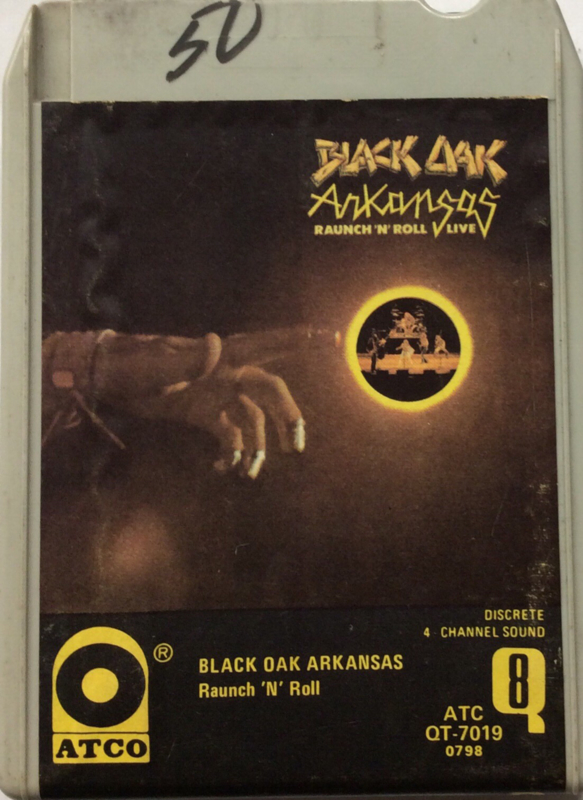
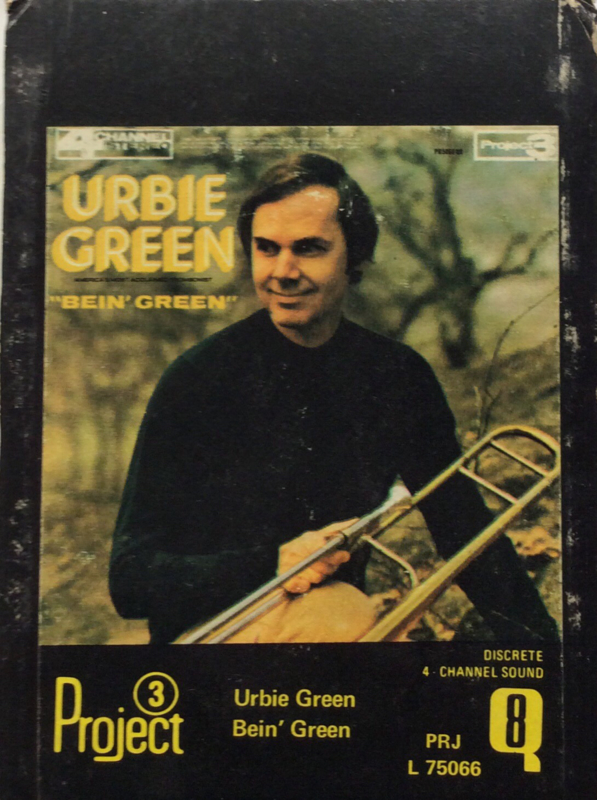
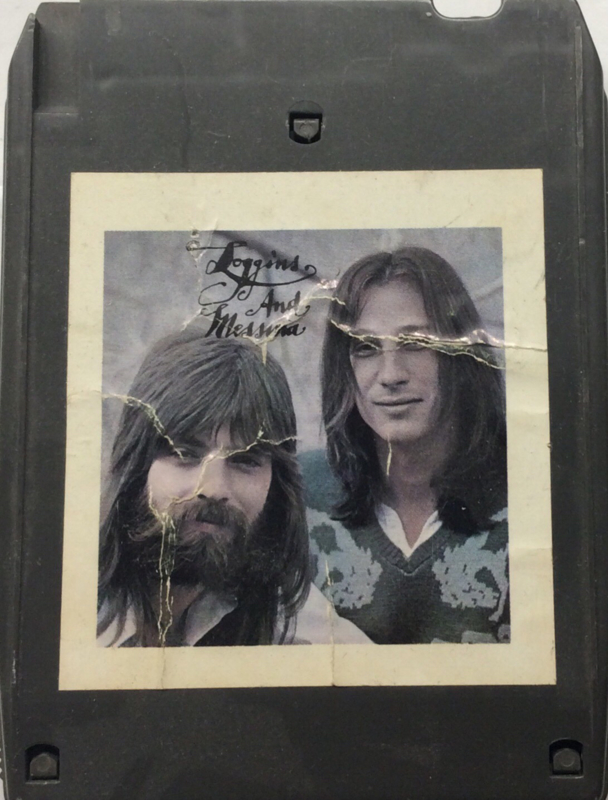
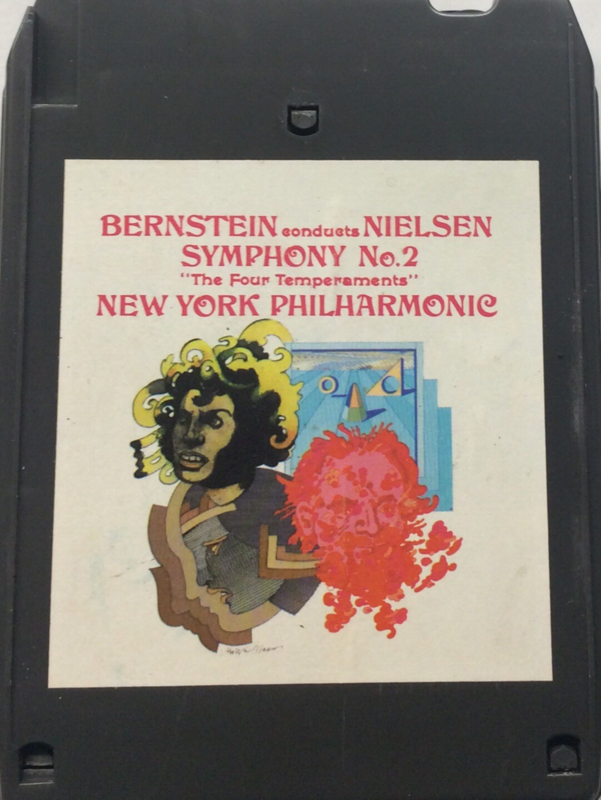
The quadraphonic 8‑track — often called “Q8” — was one of the most advanced and technically interesting versions of the 8‑track format. Instead of four stereo programs, a quad tape contains two programs with four tracks each, allowing all four channels to play simultaneously.
You can identify a quad tape by:
only 2 programs instead of 4
a small extra notch in the upper‑left corner of the cartridge

How Quadraphonic 8‑Tracks Work
A quad tape carries four parallel audio tracks that are read at the same time. This requires:
a dedicated quadraphonic 8‑track player
four separate power amplifiers
four loudspeakers
Although the cartridge looks similar to a standard 8‑track, the playback head, electronics and amplification are completely different. A stereo 8‑track player cannot correctly play a quad tape.
Why Quadraphonic Sound Was Developed
In the late 1960s and early 1970s, audio manufacturers searched for ways to make recorded music more realistic and immersive. Quadraphonic sound was designed to:
create a more spacious sound field
place the listener “inside” the music
offer a premium alternative to stereo
Major companies such as RCA, Columbia, Sansui, JVC, Panasonic and Akai invested heavily in quadraphonic systems.
Music Released on Quadraphonic 8‑Tracks
Many major artists received dedicated quad mixes — often very different from their stereo versions. Examples include:
Pink Floyd
The Doors
Santana
Chicago
The Guess Who
The Doobie Brothers
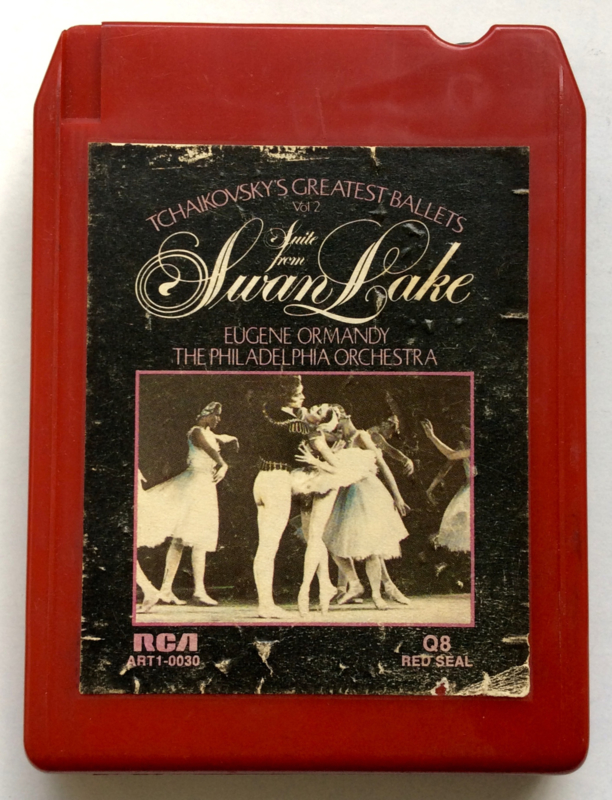
Classical and easy‑listening titles
Some quad mixes exist only on Q8 and were never reissued in any other format, making them highly desirable for collectors.
Why Quadraphonic Sound Failed to Become Mainstream
Despite the impressive technology, quadraphonic systems faced several challenges:
high cost of players and amplifiers
four speakers required
multiple competing formats (Q8, CD‑4, SQ, QS)
limited support from record labels
By 1976–1978, quadraphonic sound faded from the market as affordable stereo hi‑fi and later digital formats took over.
Quadraphonic 8‑Tracks Today
Today, quadraphonic 8‑tracks are:
rare, especially in clean condition
highly collectible due to unique mixes
technically fascinating because of the true four‑channel system
an important chapter in the evolution of surround sound
Many enthusiasts consider Q8 tapes the spiritual ancestors of modern formats like Dolby Surround, DTS and Atmos.
Quadraphonic 8‑tracks were an ambitious step toward surround sound in the 1970s. With four discrete audio channels, unique mixes and dedicated playback equipment, they remain one of the most interesting and collectible variations of the 8‑track format.
Quadraphonic 8-track

Quadraphonic 8-track

Quadraphonic 8-track
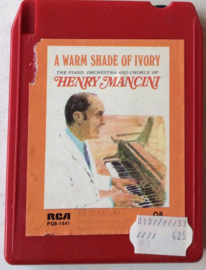
Quadraphonic 8-track

Quadraphonic 8-track

Quadraphonic 8-track

Quadraphonic 8-track

Quadraphonic 8-track

Quadraphonic 8-track

Quadraphonic 8-track

Quadraphonic 8-track

Quadraphonic 8-track

Quadraphonic 8-track

Quadraphonic 8-track
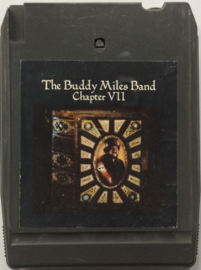
Quadraphonic 8-track
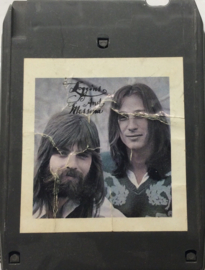
Quadraphonic 8-track
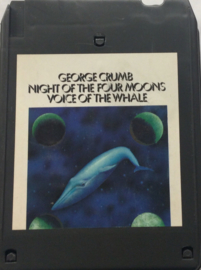
Quadraphonic 8-track

Quadraphonic 8-track
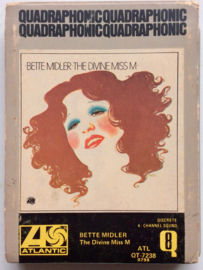
Quadraphonic 8-track